
Compare waterproof plastic and stackable aluminum cases for vehicle tools, field equipment, OEM programs, and branded distribution.
Vehicle tools and diagnostic equipment face different risks in workshops, service vans, outdoor jobs, and international transport. The right case is therefore not simply the strongest option. Importers and brand owners should balance water resistance, impact protection, weight, internal organization, security, and presentation.
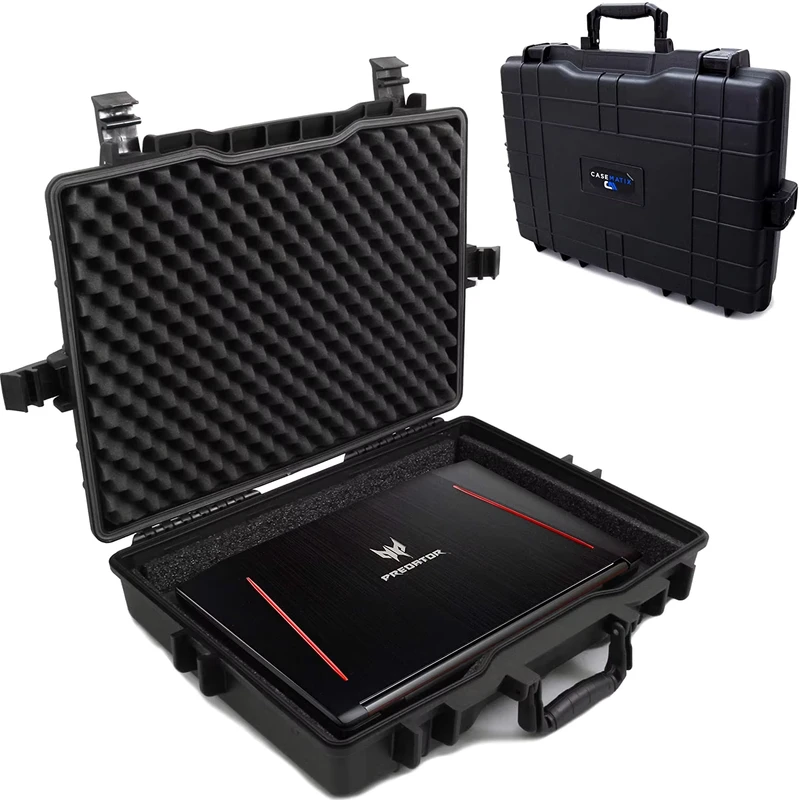
Waterproof Plastic for Demanding Environments
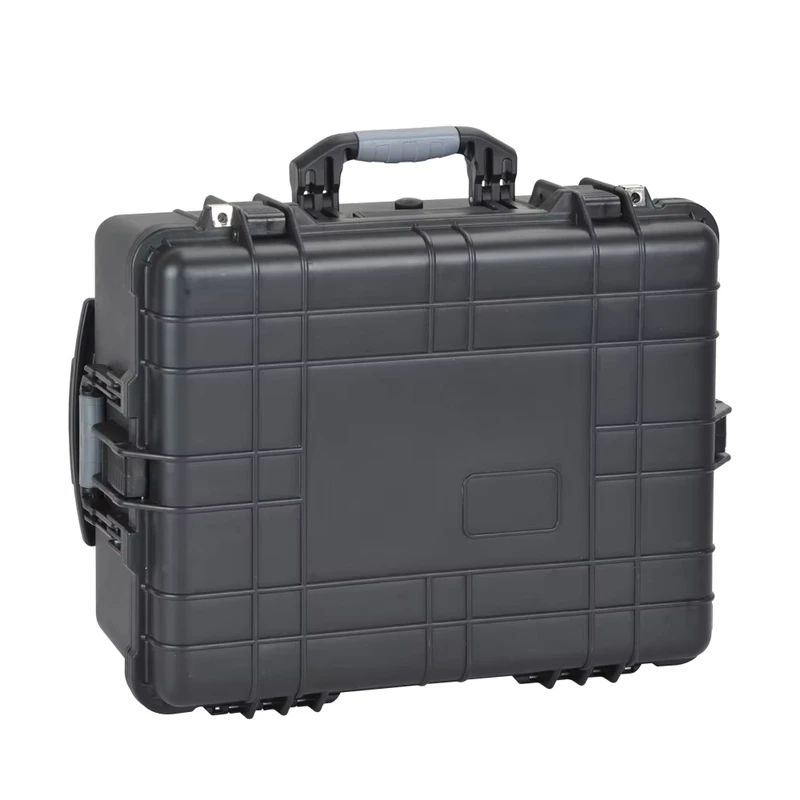
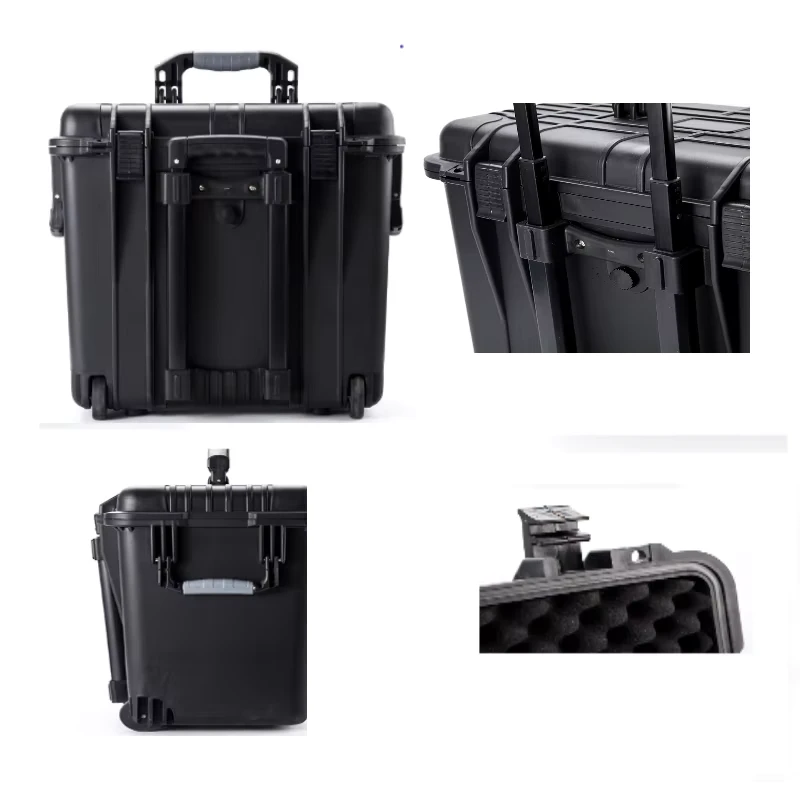
The shockproof plastic case uses engineering PP, a buckle closure, and a foam lining for organized storage and transportation. Specified with an IP67 rating and weighing approximately 3 kg, it suits mechanic tools, testing devices, and sensitive production equipment that may encounter dust, moisture, or rough handling.

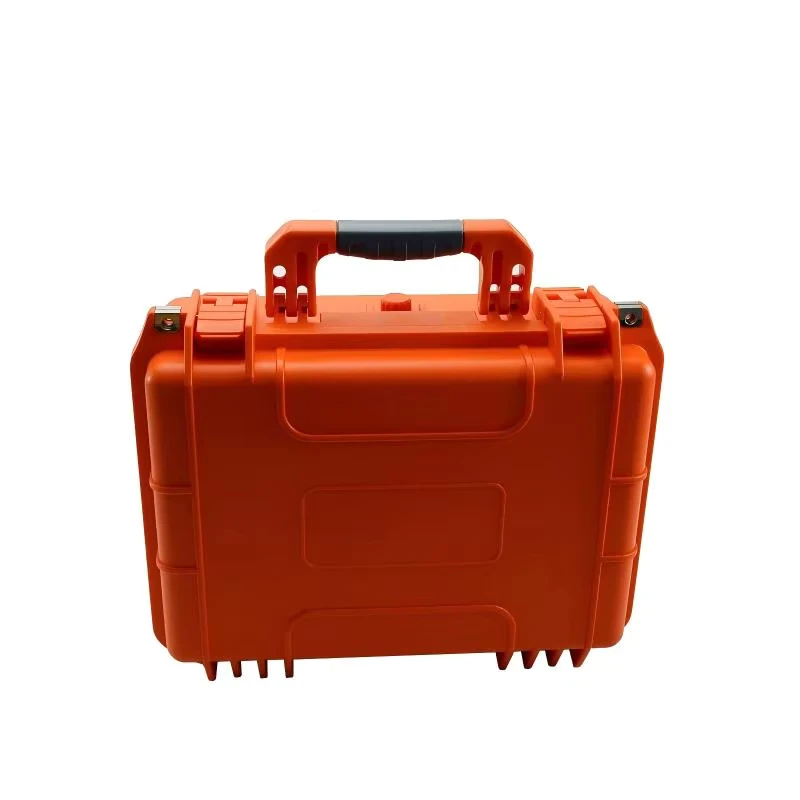
For outdoor kits and emergency supplies, the dry storage case provides another IP67-rated plastic format. Its approximately 2.7 kg construction, carrying handle, customizable foam, surface treatment, color, and logo options make it suitable for private-label distribution or application-specific equipment sets.
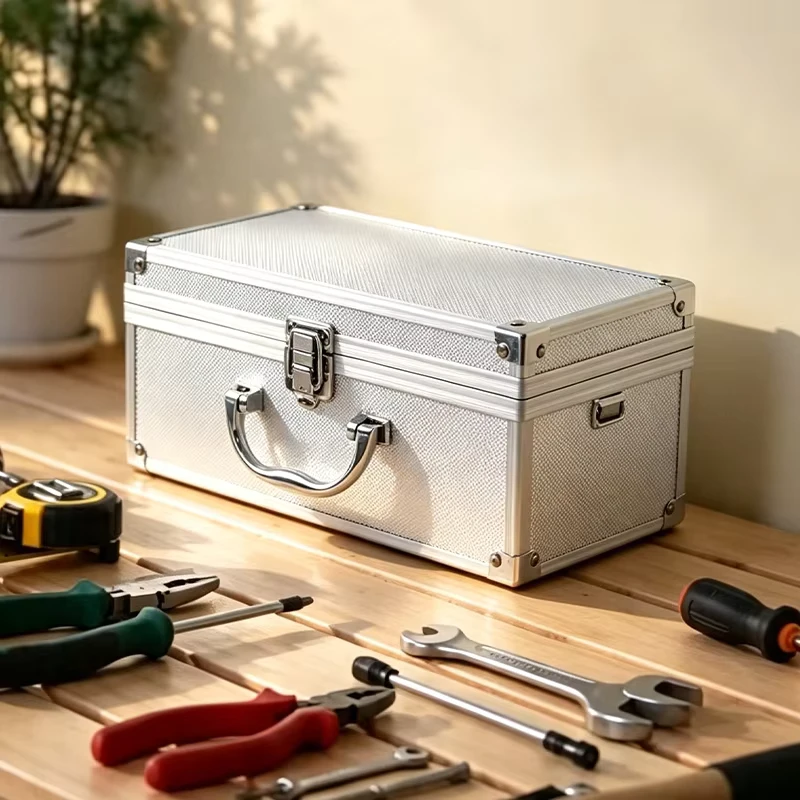
Aluminum for Flexible Professional Presentation
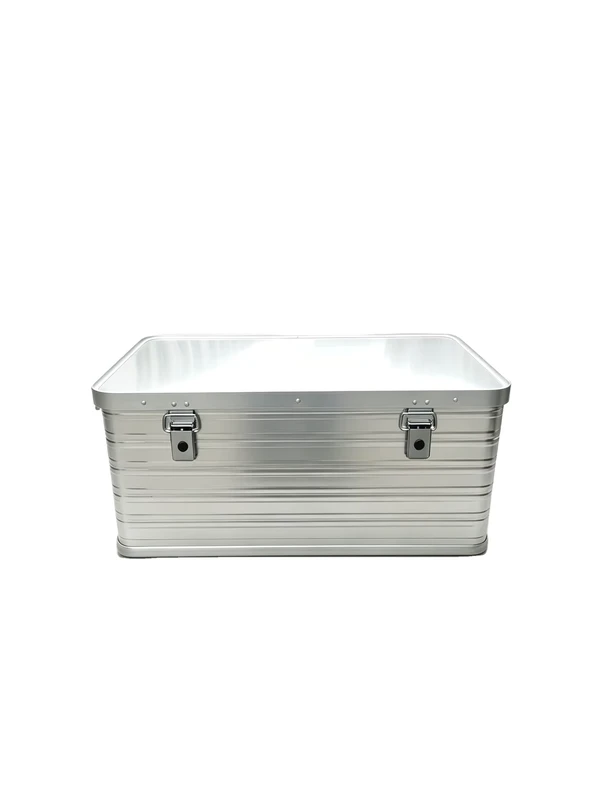
When lightweight construction, stackability, and a professional appearance take priority, the aluminum equipment case offers a configurable alternative. Capacity, dimensions, lining, wheels, and closure systems can be adapted, including padlocks, coded locks, or custom locking solutions. This format is well suited to precision instruments, lighting equipment, demonstration kits, and portable vehicle-service systems.
A mixed product range can serve more markets than one universal design. Waterproof plastic cases address harsh operating conditions, while aluminum cases support configurable layouts and branded professional presentation. Buyers comparing tool storage boxes should define equipment dimensions, loaded weight, protection requirements, foam layout, branding, order volume, and packaging before requesting a quotation.
For an OEM or ODM project, share your application, target size, expected environment, and customization needs. A clear specification helps identify the most practical case construction and prepares the project for efficient sampling and production discussion.